The Role of Clean Energy in Agriculture’s Future
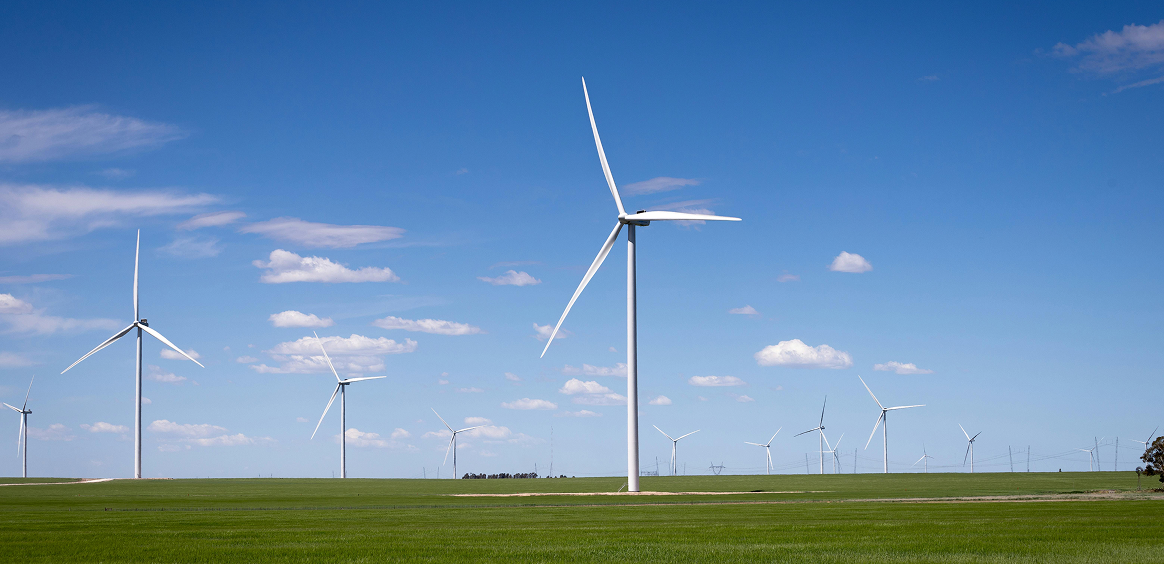
Modern agriculture is at a historic turning point. Population growth, climate change, and rising energy costs are pushing farmers to find new ways to produce food efficiently and sustainably. The integration of digital technologies with renewable energy emerges as one of the most promising solutions to address these challenges.
Solar-powered irrigation systems, for example, allow farmers to optimize water use in regions where drought threatens productivity. Smart sensors placed in fields collect data on soil moisture, nutrients, and temperature, while clean energy keeps these systems running without producing harmful emissions.
Key advantages of smart agriculture with renewable energy:
- Efficient resource use: water and fertilizers are applied in the exact amount needed.
- Lower operational costs: solar and wind energy reduce dependence on fossil fuels.
- Improved climate resilience: automated systems help adapt to unpredictable changes.
This fusion of technological innovation and renewable energy not only strengthens food security but also opens the door to a new era of green farming capable of feeding the world without depleting its resources.